
Human-Centered Design (HCD) places the end-user at the core of the hardware development process to ensure the final product solves actual real-world problems. By anchoring technical engineering in practical human interaction, founders avoid building complex features that customers ultimately ignore. This methodology ensures that physical form factors and internal systems intuitively support the user's daily reality from the moment the device is powered on.
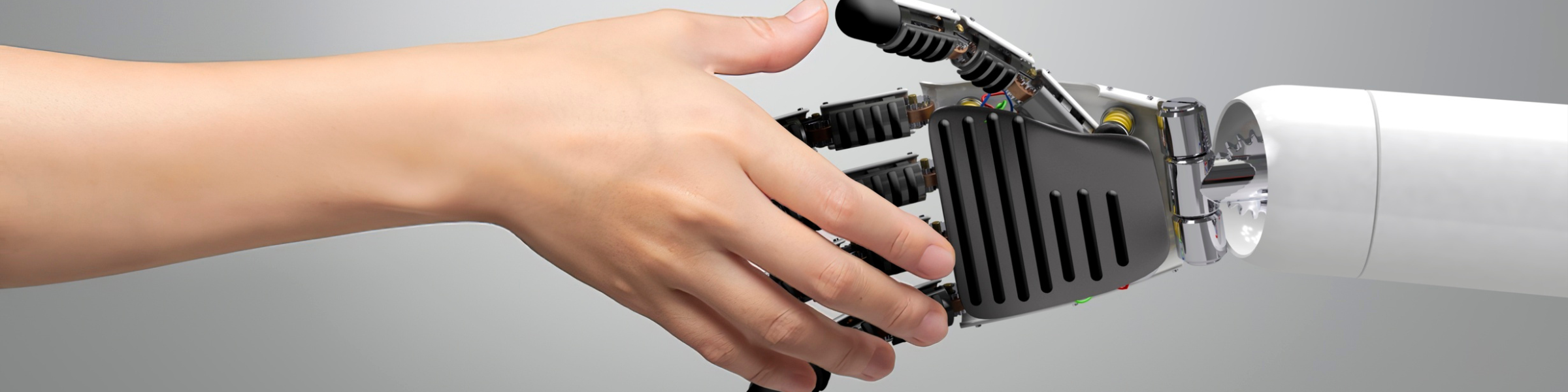
Core Considerations
System Architecture: Anchor the underlying system architecture directly to the practical realities of the end-user. This prevents over-engineering and ensures the physical device fundamentally serves its intended human purpose.
Interface Decisions: Guide critical interface decisions—including physical buttons, digital screens, and haptic feedback—based on intuitive human interaction. Clear interfaces reduce operational friction and lower the learning curve for new hardware adoption.
User Needs: Ground every technical and design milestone in validated user needs rather than internal engineering assumptions. Continuous user feedback dictates exactly which hardware features are essential for commercial success.
Workflows & Usability: Map out real-world workflows to optimize daily usability and long-term ergonomic comfort. The hardware must fit seamlessly into the user's existing environment without causing operational disruption or physical fatigue.
-
Anchoring the underlying system architecture directly to practical user realities prevents over-engineering. By grounding every technical milestone in validated user needs rather than internal engineering assumptions, hardware founders ensure the physical device solves actual real-world problems instead of building complex features that customers ignore.
-
Guiding critical interface decisions—such as physical buttons, digital screens, and haptic feedback—based on intuitive human interaction significantly reduces operational friction. Clear, human-centered interfaces lower the learning curve for new hardware adoption, ensuring users are not frustrated when operating the device.
-
Mapping out real-world workflows optimizes daily usability and long-term ergonomic comfort for the end-user. This rigorous design approach ensures that the physical form factor and internal systems fit seamlessly into the user's existing environment without causing operational disruption or physical fatigue.
The Unlimit Ventures Perspective
We believe that even the most advanced hardware will fail in the market if it frustrates the operator. Whether you are designing complex physical AI interfaces or deploying ruggedized edge computing devices, our team integrates human-centered design principles into every stage of the engineering process. We ensure your system architecture and user interfaces are perfectly aligned with the exact workflows and usability requirements of your target demographic, resulting in a product people actually want to use.
Ensure your next hardware product aligns perfectly with your users' real-world workflows by consulting our design engineering team today.