
Physical AI: Bridging the Gap Between Digital Intelligence and the Physical World
Transforming hardware and mechanical systems into smart, autonomous, and responsive products through advanced artificial intelligence integration.
What is Physical AI?
Physical AI refers to the integration of advanced machine learning models, computer vision, and artificial intelligence algorithms directly into physical hardware and mechanical systems. Unlike traditional software AI, Physical AI enables tangible products to perceive their environment, make real-time autonomous decisions, and execute physical actions, driving the next generation of smart manufacturing, consumer devices, and industrial automation.
Why Integrate Physical AI into Your Hardware?
Integrating artificial intelligence directly into mechanical systems and physical products is no longer a futuristic concept; it is a critical competitive advantage for product developers and industrial operators. Physical AI integration services from Unlimit Ventures allow your hardware to perceive, think, and act independently. Unlike traditional, centralized software AI, our embedded approach offers tangible, real-world value across three critical pillars:

The single greatest advantage of Physical AI is speed. By utilizing edge computing, our AI models run locally on the device's hardware (custom PCBAs). This eliminates the costly latency of cloud processing. Your robots, quality control cameras, or autonomous systems can make split-second decisions and execute physical actions in real-time, which is essential for safety, responsiveness, and operational efficiency in manufacturing and robotic point-of-sale environments.
Zero Latency & Real-Time Action

Boost operational throughput and eliminate costly bottlenecks. Physical AI—powered by advanced machine vision and microscopic imaging—never suffers from fatigue. It offers superhuman precision in tasks like defect detection, automated assembly verification, and microscopic analysis. Virtually eliminating human error in quality assurance translates directly to higher product yields, reduced waste, and a significant decrease in cognitive load for your operational staff.
Unparalleled Precision & Quality Control
Turn static mechanical systems into intelligent, responsive units. Our Physical AI development enables your products to adapt and learn over time. This makes traditional hardware upgradeable and scalable. Whether you are automating a mechanical point-of-sale kiosk or optimizing an industrial air filtration system, Physical AI allows your physical asset to become smarter and more valuable the longer it operates.
Future-Proofing Mechanical Designs
Our Capabilities: Taking AI from Concept to Mass Production
AI integration can revolutionize your product development process by:
Physical AI Examples in Automation and Quality Control
Unlimit Ventures offers AI integration services to help you harness the power of AI in your product development journey. We work closely with you to understand your needs and develop tailored solutions that drive innovation and efficiency.
Advanced Air Quality Intelligence: We engineered a system combining advanced microscopic imaging and machine learning to provide unparalleled, real-time analysis of particulate matter, prompting targeted environmental interventions.
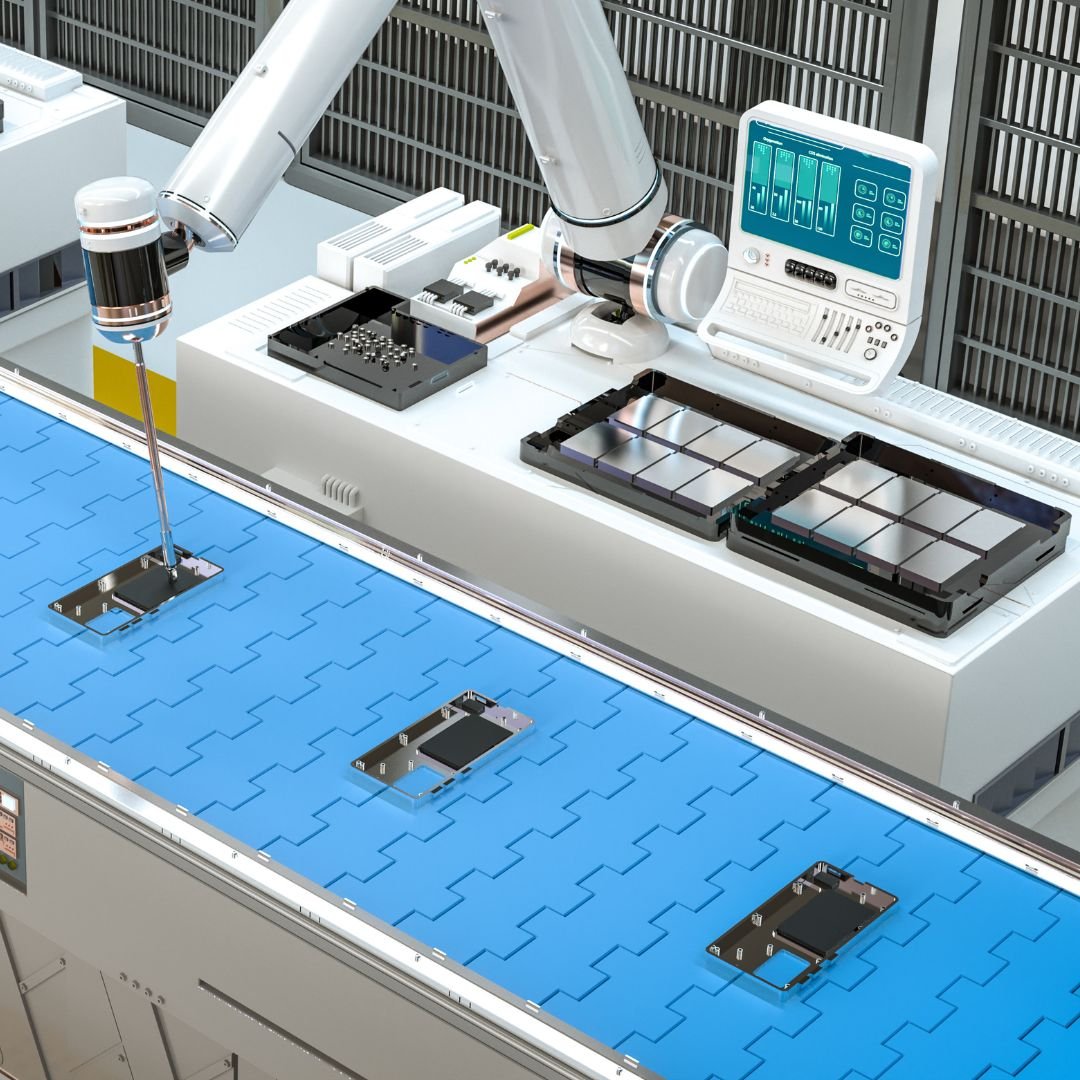
Automated Quality Control Systems: We developed an AI-powered machine vision solution for the food and beverage industry that autonomously verifies order accuracy, significantly reducing human error and staff cognitive load.
Autonomous Food Preparation Kiosks: We led the mechatronic design and AI integration for fully autonomous, robotic point-of-sale systems capable of on-demand food assembly and delivery.
Our Physical AI Development Process: From Feasibility to Deployment
At Unlimit Ventures, we bridge the gap between abstract AI software and physical engineering. We understand that embedding intelligence into hardware is complex. As a specialized Physical AI company, we have developed a streamlined, rigorous workflow designed to reduce technical risk, minimize power consumption, and ensure seamless system integration for our clients.

We begin every project by deeply understanding your mechanical systems, product goals, and physical environment. Our interdisciplinary engineering team evaluates your current hardware, existing sensor arrays, and power constraints. We conduct a technical feasibility assessment to define the optimal AI integration strategy, determining the necessary edge hardware architecture (Microcontrollers, FPGAs, custom PCBAs) and AI model requirements for your specific use case.
1. Technical Assessment & Strategy
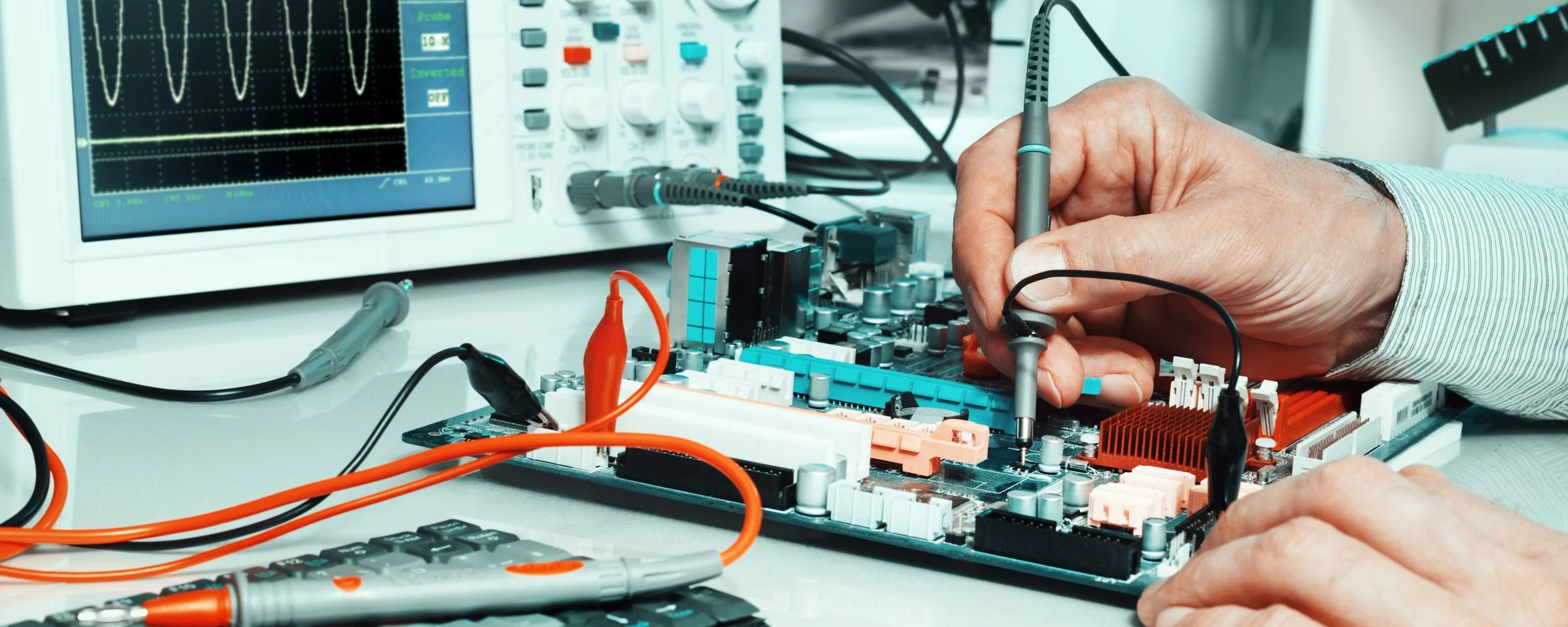
This is the core engineering phase. Our hardware team designs the electromechanical systems, firmware, and power-optimized hardware necessary to host the artificial intelligence locally. Simultaneously, our software team develops and trains custom AI models—optimized for machine vision, predictive data, or sensor fusion. We meticulously refine these models to meet the strict latency and accuracy metrics defined by your product's operational reality.
2. Custom Mechatronics & AI Model Training
We bring digital intelligence into the physical world. Our engineers perform full mechatronic integration, bringing the new smart components and AI models together with the existing hardware. Rigorous, real-world testing ensures that the fully autonomous Physical AI system operates reliably under stress. Once validated, we deploy the responsive, intelligent physical asset to your production line, service environment, or customer's hands.
3. Full Systems Integration & Deployment
Frequently Asked Questions about Physical AI
Physical AI is a rapidly evolving field at the intersection of hardware engineering and advanced data science. To help you better understand this technology, its distinct advantages over traditional software, and how it can benefit your next product development cycle, we have answered some of the most common technical questions below.
-
While Agentic AI refers to software programs that can autonomously complete digital tasks (like researching or data processing), Physical AI goes a step further by embedding that autonomy into hardware, allowing machines to make decisions and execute actions in the real, physical world.
-
Not exactly. Traditional robotics rely on rigid, pre-programmed instructions to perform repetitive tasks. Physical AI integrates machine learning and computer vision into the hardware, enabling the mechanical system to adapt to unexpected changes, learn from its environment, and make autonomous decisions on the fly.
-
Absolutely. Through mechatronics, edge computing, and advanced sensor integration, AI models can be deployed directly onto local hardware. This allows physical products—from automated kiosks to quality control cameras—to process data and act without relying entirely on cloud servers.

Ready to integrate intelligent autonomy into your next hardware product?
Transforming traditional hardware into smart, autonomous systems requires specialized mechatronic and machine learning expertise. Our engineering team will help you navigate the complexities of Physical AI, delivering custom embedded solutions that reduce latency, optimize your operations, and future-proof your physical assets.